MPP plans and buys paid social on Facebook, Instagram, LinkedIn, and TikTok as individual channels, each with its own audience strategy, creative requirements, and role inside the broader media program.
Every platform has a different audience.
Treating them the same is where programs lose money.
Paid social advertising is the purchase of ad inventory on social media platforms to reach defined audiences based on behavioral data, declared interests, demographic attributes, and first-party audience matching. Unlike paid search, which captures demand that already exists, paid social builds and sustains demand across audiences who are not yet actively looking. Platforms including Facebook, Instagram, LinkedIn, and TikTok each offer distinct targeting infrastructure, ad formats, and audience behaviors that inform how campaigns are planned and managed.
Paid social programs that underperform usually have the same problem: platform decisions were made before the strategic questions were answered. Which audience? What message? What outcome? How does this channel connect to what search, display, or traditional media is doing at the same time?
MPP runs paid social through Orbit, using the Hi-5 framework to keep platform-level decisions anchored to program-level objectives.
Audience strategy on paid social is not a single targeting setup applied across platforms. Facebook audiences, LinkedIn audiences, and TikTok audiences behave differently and respond to different signals. MPP builds platform-specific audience architecture that reflects where your best prospects actually are and how they engage.
A brand that sounds different on LinkedIn than it does on Instagram is not adapting well, it is fracturing. MPP manages creative governance across platforms so the program tells one story, executed in formats each platform rewards.
Platform selection is a planning decision backed by audience data and program objectives, not a default checklist. Some programs need three platforms. Some need one. The answer comes from the Hi-5, not the rate card.
Paid social budget allocation is active work, not a set split held for the duration of a flight. When one platform is converting and another is building frequency without return, the budget should reflect that plus leave room for exploration. MPP makes those adjustments as performance data accumulates, not at the monthly check-in.
Platform-native dashboards report what platforms want you to see. MPP measures paid social against the outcomes the program was designed to produce, with results consolidated in HelloMPP alongside every other channel in the program.
Paid social is where creative fatigue shows up fast. Audiences on social platforms are served the same ads repeatedly, and performance degrades when creative is not refreshed with intention.
Core vs. Explore governs how MPP approaches creative and audience testing on paid social. The proven message, the proven audience, and the proven format hold the majority of the budget. A controlled allocation runs tests: new creative angles, new audience segments, new formats. When a test produces a winner, it earns budget. When it does not, it stops without damaging the program.
That structure keeps paid social programs from going stale without gambling the budget on experiments.
Each platform has a distinct role. MPP manages them accordingly.

The largest paid social platform by reach and the most mature by targeting infrastructure. Facebook anchors most paid social programs MPP manages, particularly where audience depth, retargeting, and conversion volume are the primary objectives.

Visual-first and skewing younger, Instagram performs strongest for awareness, product consideration, and audience expansion. MPP manages Instagram independently from Facebook with creative and audience strategies built around how the platform actually behaves.

The default channel for B2B programs, professional audience targeting, and categories where job title, industry, and company size drive qualification. LinkedIn's cost-per-click economics require deliberate budget decisions. MPP evaluates fit during planning rather than defaulting to inclusion.

High reach among younger demographics with creative requirements unlike any other platform. TikTok rewards content that fits the environment rather than content adapted for it. MPP manages TikTok for clients where the audience concentration and creative commitment are both present.
MPP also manages campaigns on X where program objectives and audience concentration support it. X is evaluated during planning on the same criteria as every other platform: does the audience live there, and do the economics justify the allocation?
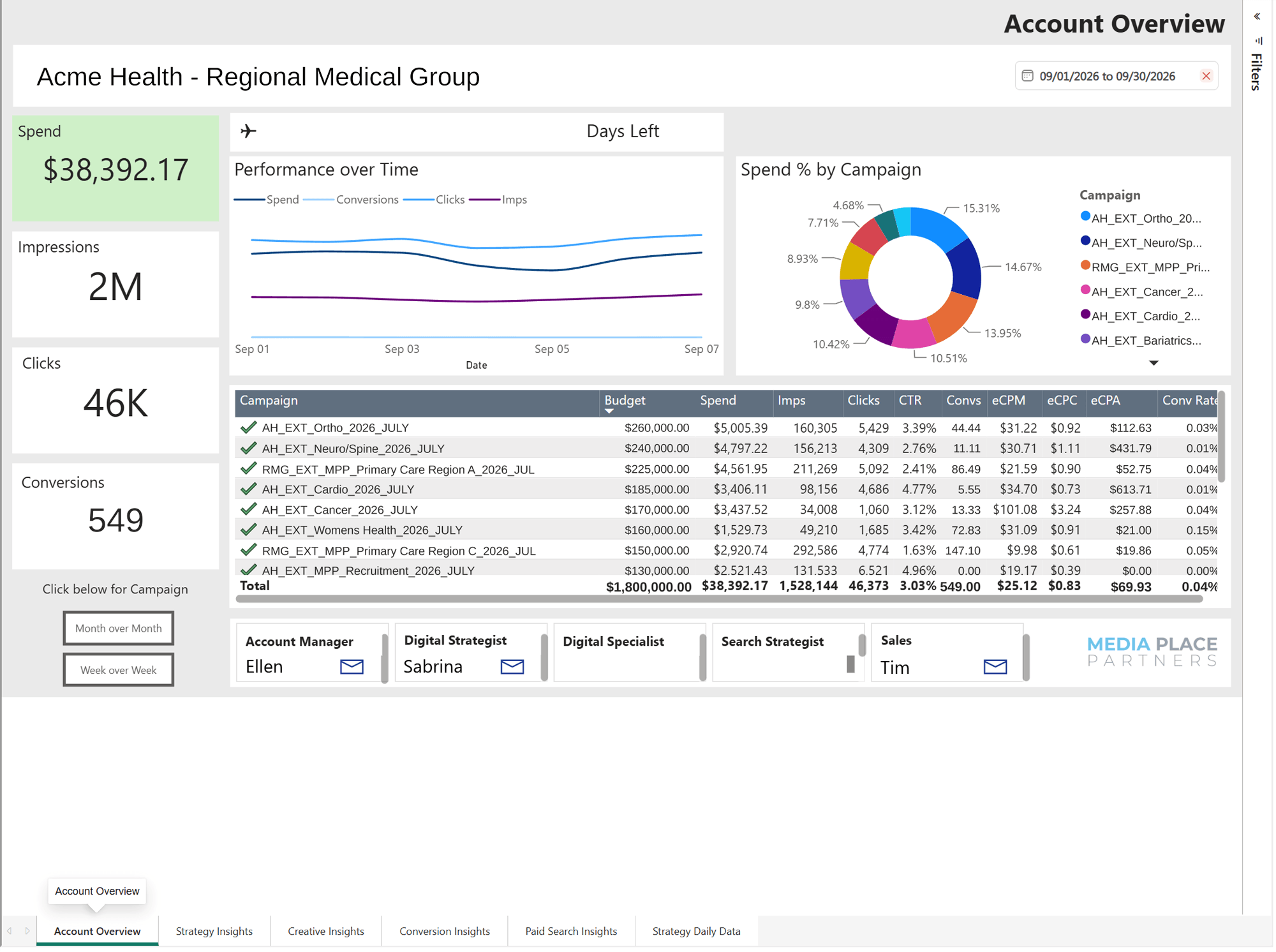
Every paid social campaign MPP manages feeds into HelloMPP, MPP's proprietary client analytics portal. Spend pacing, audience performance, creative performance, and conversion data consolidate in one place alongside every other channel in the program. HelloMPP updates twice daily. When something shifts in a campaign, clients see it without waiting for a scheduled report.

Paid social advertising intersects with some of the most active conversations in the industry around brand safety, measurement integrity, and ad fraud. MPP is a member of the Interactive Advertising Bureau, the trade organization that sets the standards and frameworks governing how digital advertising, including paid social, is planned, bought, and measured.
Paid social is not the right answer for every organization or every objective. Part of MPP's planning work is determining where paid social fits, how much budget it should hold, and what it is actually responsible for delivering.