Should I be advertising on Google Performance Max?

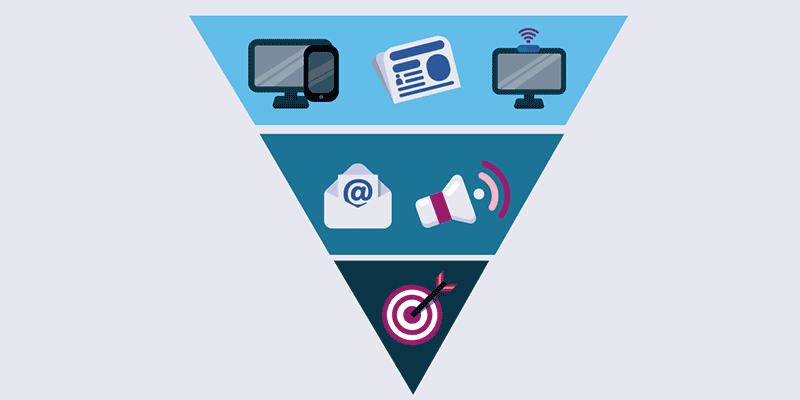
Google Performance Max is one of Google’s newest advertising products. In summer 2022, this replaced Google Smart Shopping and Local campaigns. Google Performance Max marketing campaigns are goal-based and help find more converting customers across all channels (Display, YouTube, Search, Discover, Gmail, and Maps).
So, should you be advertising on Google Performance Max? Like most tactics and channels, this is not answered with a simple yes or no. In this article, we’ll explain the criteria you need to meet to advertise on this platform and if you should consider adding it to your marketing mix.

What is Google Performance Max?
The main objective of Performance Max is to make Google Ads campaigns easier to manage. Instead of setting up separate campaign types, advertisers define a goal and provide all assets and information for campaigns in one spot. From here, ads are generated that can serve across all of its available placements. This means you can run ads on Search, Maps, Display, YouTube, Gmail, and Discovery networks all from a single campaign. Advertising on Google Performance Max allows ads to be automatically optimized across platforms to reach campaign goals at a more efficient rate.
For a deeper dive into Performance Max, we explain the platform in this article – Google Performance Max Marketing.
Should I be advertising on Google Performance Max?
Performance Max can be a great asset to add to your marketing mix. However, the platform has some requirements you must meet to set up campaigns. Below are some of those criteria.
Goal-based objectives
Google Performance Max campaigns are goal-based. This means you need specific conversion goals, such as driving online sales or lead generation. This is not a platform for boosting awareness.

Conversion tracking
Conversion tracking needs to be in place to get the most out of your campaigns. To track conversions, you’ll need a Google conversion code set up on your website. This is like the Facebook pixel—a small piece of code that is added to your website or app and records conversion data.
.png)
Understanding your audience
You need to understand who your audience is to determine the types of users you want to see your ads. Consider adding your own audiences through remarketing or customer lists. If you don’t have this first-party data, you can create audiences based on interests and demographics.
.png)
Lots of high quality assets
Performance Max campaigns mix and match creative assets to create ads. You need creative copy, images, logos, and videos loaded into each campaign.

Realistic budget
Another thing to consider is budget. Google recommends your average daily budget be at least three times your CPA or cost per conversion. If your budget can’t clear that bar, especially in a category with high conversion costs, Performance Max may not have enough room to learn and deliver the results you want.

Adding Performance Max to your marketing mix
Tapping into the massive world of Google Ads is an exciting prospect. After all, Google dominates search, handling roughly 90% of searches worldwide and about 85% in the U.S. But that reach only pays off if your campaign is set up to use it. If you can’t meet the budget guidance above, Performance Max may not be the right place to start.
If you can, think carefully about how Performance Max fits with the rest of your marketing. The platform leans heavily on automation, but automation without direction will burn through your budget. Before launch, you need conversion tracking that’s set up and tested, clearly defined campaign goals, and high-quality creative assets.
Performance Max is not a substitute for keyword-based campaigns, so don’t put all your eggs in one basket. Google designed it to complement Search, not replace it. When someone’s query matches a keyword in your Search campaign, Google prioritizes that campaign over Performance Max, which keeps you in control of your highest-intent searches while PMax extends your reach across YouTube, Display, Gmail, Discover, and Maps.